




To get a Spanish student visa in 2026 you need five things: an acceptance letter from an accredited school for a full-time course, proof of funds of roughly €600 per month (100% of IPREM), private health insurance with full coverage and no co-payments, and for stays over 180 days, a criminal record certificate and a medical certificate, all filed with the national visa application at the Spanish consulate that serves your home address. The official decision window is one month, but realistic planning time from first document to visa in passport is two to three months. Below is the complete checklist, the money maths, and the rule changes from Spain’s 2025 immigration reform that catch most applicants out.
In this article
Do you need a student visa to study in Spain?
It depends on two things: your nationality and how long your course runs.
- EU, EEA and Swiss citizens never need a visa. You register as a resident if you stay over 90 days, but there is no visa process.
- Courses of 90 days or less: most visa-exempt nationalities (US, UK, Canada, Australia, Japan and others) can study on the standard 90-day Schengen stay, no student visa at all.
- Courses of 91 to 180 days: you need a short-duration student visa (visado de estudios). The good news: no criminal record certificate and no medical certificate at this length. The catch: it cannot be extended from inside Spain.
- Courses over 180 days: you need the long-duration student visa, the full document set, and you will apply for a TIE residence card within a month of arriving in Spain.
If your course is 90 days or shorter, most nationalities don’t need a visa at all. That single fact decides whether you spend the next two months collecting paperwork, so confirm your course length before anything else. Some students deliberately book a 12-week intensive course precisely to stay inside the visa-free window, then return later on a proper student visa for a longer stay.
What are the Spain student visa requirements in 2026?
Here is the full document set for the long-duration visa (over 180 days). Short-duration applicants can usually skip the last two rows, though some consulates (Chicago, for example) ask for the medical certificate at any stay length, check your own consulate’s checklist.
| Document | Details that trip people up |
|---|---|
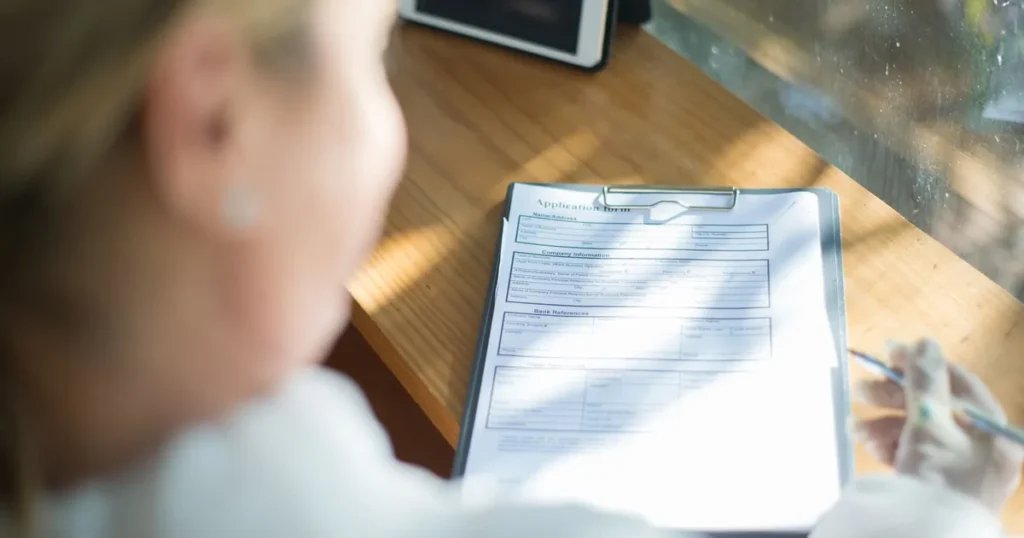
| National visa application form | One per applicant, signed. Some consulates outsource to BLS visa centres, check whose form your consulate uses. |
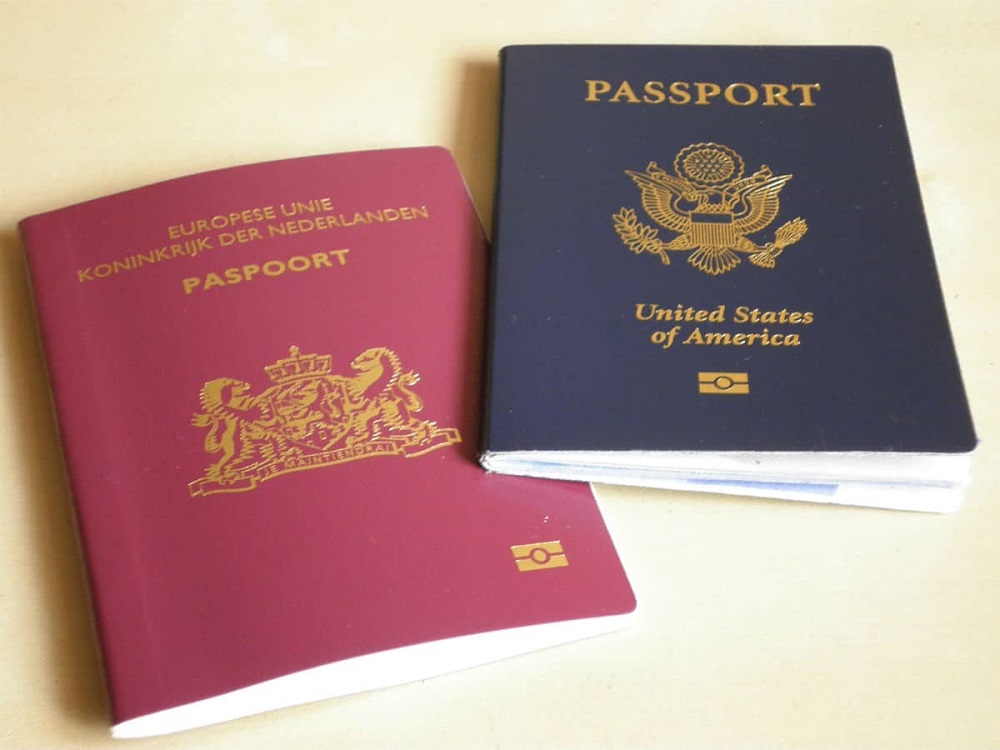
| Passport | Valid for your entire intended stay, with at least two blank pages. Issued within the last 10 years. |
| Recent passport photo | White background, taken within 6 months. |
| Acceptance / enrolment letter | Must show the course is full-time. For Spanish language courses that means a minimum of 20 hours of class per week, at a school accredited by Instituto Cervantes. The letter should state course dates, weekly hours and confirmation of payment. |
| Proof of financial means | 100% of IPREM per month of stay, €600/month in 2026. See the maths below. |
| Health insurance | Private policy from an insurer authorised to operate in Spain, with coverage equivalent to the public system: no co-payments, no deductibles, and repatriation included. Travel insurance is routinely rejected. |
| Proof of accommodation | Not every consulate demands it, but a booking confirmation or rental contract strengthens the file, and prepaid accommodation reduces the funds you must show. |
| Criminal record certificate (180+ days only) | From every country you’ve lived in during the last 5 years, apostilled and translated by a sworn translator (traductor jurado). Certificates are typically only accepted if issued within 90 days of submission. |
| Medical certificate (180+ days only) | A doctor’s letter, under 3 months old, confirming you’re free of diseases with serious public health repercussions under the 2005 International Health Regulations. Ask your GP to use that exact wording. |
Two timing traps. First, the criminal record certificate: for US applicants the FBI check plus apostille plus sworn translation regularly takes 8-12 weeks end to end, order it before anything else. Second, sworn translations: consulates want translations by a Spanish government-registered traductor jurado, not just any certified translator. The visa fee varies by nationality and consulate, roughly €80 for most passports in 2026, while US applicants pay about $160 under the US-Spain reciprocity arrangement. Check your consulate’s current fee table before the appointment.
Applying for university rather than a language course? The academic side has its own paperwork. We cover degree recognition and admission in our guide to getting into a Spanish university as an international student.
How much money do you need for a Spain student visa?
The benchmark is IPREM, Spain’s public income index. Student visa applicants must show 100% of IPREM for every month of their stay. The 2026 IPREM is €600 per month.
| Course length | Funds you must show |
|---|---|
| 6 months | €3,600 |
| 9 months | €5,400 |
| 12 months | €7,200 |
For a 12-month course you must show €7,200, consulates calculate the requirement against your actual course length, month by month, so a shorter course means a proportionally smaller figure. Acceptable proof includes your own bank statements (most consulates want 3-6 months of history, not a lump sum that appeared last week), a signed sponsor letter from a parent with their bank statements, a scholarship award letter, or a combination.
The detail almost nobody uses: if you can show accommodation paid in advance for your whole stay, that amount is deducted from the funds requirement. Students who prepay school residence housing often cut the cash they must evidence significantly. If you’re heading to our city, our guide to finding affordable long-term rentals in Málaga shows what realistic housing costs look like, Málaga remains cheaper than Madrid or Barcelona, so the €600/month benchmark goes further here.
SPANISH COURSES
Get course dates & prices
Real reply from our team, usually same day. No spam.

Planning to study Spanish in Spain? Your enrolment letter is the first document on the checklist. Vamos Academy runs small-group Spanish courses in Málaga (group courses from €200/week, private classes from €30/hour) and provides enrolment letters for registered students. Before you apply, check the school meets the visa requirements set by your consulate: our team can tell you exactly what our enrolment letters cover.
How long does the Spain student visa take?
The legal deadline for consulates to decide on a study visa is one month. Reality is friendlier and crueller at the same time: decisions often land in 2-4 weeks, but the bottleneck is usually the appointment, not the decision. In peak season (June-September) appointment slots at busy consulates and BLS centres can be booked out weeks ahead.
Work backwards from your course start date:
| When | What to do |
|---|---|
| 12+ weeks before travel | Order your criminal record certificate and apostille (slowest item). Confirm your course and get the enrolment letter. Check your passport validity. |
| 10 weeks before | Buy compliant health insurance. Gather bank statements. Book sworn translations. |
| 8-10 weeks before | Book the consulate appointment, or earlier: many consulates accept study-visa applications up to six months before the course starts, and some require filing at least two months ahead. |
| 6-8 weeks before | Attend the appointment, submit the file, pay the fee. |
| 2-6 weeks before | Decision issued; collect your passport with the visa. Book flights once it’s in hand. |
One insider note: your visa is usually issued for the length of your course, not a round year. If you think you might extend your studies, enrol for the longer course from the start, extending from inside Spain is possible for continuing students, but it’s a full renewal file, not a rubber stamp.
Can you apply for the student visa from inside Spain?
This is where Spain’s 2025 immigration reform (Royal Decree 1155/2024, in force since 20 May 2025) changed the game, and where most outdated blog posts will mislead you.
Since May 2025, in-country applications are reserved for higher-education studies. If you’re coming for a Spanish course at a private language academy, you apply at the consulate serving your place of legal residence, before you travel. The one carve-out: under Instruction SEM 3/2025, language courses run by recognised higher-education institutions count as higher education, so those students can still file from inside Spain.
University and higher-education students kept more flexibility: they can still file for a study authorisation from inside Spain while their legal stay is valid, and immigration lawyers recommend filing at least 30-45 days before that stay expires. The same reform also made life easier once you’re here, higher-ed students can now switch into a work residence from within Spain when they finish studying.
Can you work in Spain on a student visa?
Since the 2025 reform, students in university, vocational (FP) and other regulated higher education can work up to 30 hours per week with no separate work permit: the right is built into the student authorisation, as long as the job doesn’t clash with your timetable. During official academic holidays you can work full-time, with prior notification to the authorities.
The fine print that matters for language learners: students at language schools do not get automatic work rights under the new regulation. If earning while you study is essential, read our breakdown of how to get a work permit in Spain with a student visa before you choose your course type. Remote workers employed abroad sometimes fit better under Spain’s digital nomad visa instead, different visa, different rules, and it allows you to study as much Spanish as you like on the side.
What do you do after you arrive in Spain?
The visa in your passport is not the end of the paperwork. Your first month in Spain looks like this:
- Empadronamiento: register your address at the local town hall (ayuntamiento). It’s free, and you’ll need the certificate for the TIE appointment in most provinces.
- TIE card (stays over 6 months): apply for your Tarjeta de Identidad de Extranjero within 30 days of entering Spain. You’ll book a cita previa online for fingerprints at the immigration office or designated police station. In Málaga, slots are released in batches and vanish fast, check the booking site early in the morning, and don’t panic if nothing shows the first day.
- NIE: your foreigner identification number, printed on the visa and the TIE. You’ll use it for everything from opening a bank account to signing a rental contract, our step-by-step guide to getting your NIE in Spain covers it in detail.
- Keep your insurance active: the policy you showed the consulate must stay valid for your whole stay. Here’s what health insurance plan you need to study in Spain if you’re still comparing options.
Spain student visa checklist (2026)
- Passport valid for the whole stay, issued within 10 years, 2 blank pages
- National visa application form, signed
- Recent passport photo
- Enrolment letter: full-time course (20+ hours/week for language study), dates, payment confirmed
- Proof of funds: €600 × months of stay (2026 IPREM)
- Compliant private health insurance (no co-pays, repatriation included)
- Accommodation proof (recommended; prepayment reduces the funds requirement)
- Stays over 180 days: apostilled criminal record certificate(s) + sworn translation
- Stays over 180 days: medical certificate under 3 months old
- Visa fee (varies by nationality)
- After arrival: empadronamiento, then TIE within 30 days
Frequently asked questions
How much bank balance do I need for a Spain student visa?
You must show 100% of IPREM per month of stay, €600 per month in 2026, so €7,200 for a full year. Prepaid accommodation for your whole stay is deducted from that figure, and a parent can act as sponsor with a signed letter and their bank statements.
How early should I apply for the visa?
Start collecting documents about 12 weeks before travel and submit as soon as your consulate allows, many consulates accept study-visa applications up to six months before the course starts, and some require filing at least two months ahead. The decision itself legally takes up to one month.
Do I need to speak Spanish to get a student visa for Spain?
No. There is no language requirement for the visa itself. You can arrive as a complete beginner. Your course just needs to be full-time at an accredited school.
Does my Spanish course need a minimum number of hours?
Yes. For a student visa based on language study, consulates require a full-time course, understood as at least 20 hours of class per week, at a school accredited by Instituto Cervantes.
Can I extend my student visa from inside Spain?
Continuing students can renew their study authorisation from inside Spain before it expires. But since the May 2025 reform, you cannot enter as a tourist and then convert to a language-student authorisation in-country: that route is closed.
Can my family come with me?
Yes, relatives can accompany a student, but the funds requirement rises: an extra 75% of IPREM per month for the first family member and 50% for each additional one, on top of your own €600.
The visa is paperwork. The reason for it is the life on the other side. Vamos Academy runs Spanish schools in Málaga and Buenos Aires, with small-group courses and a DELE/SIELE exam preparation centre in Málaga. We provide enrolment letters for registered students, before applying, check the school meets the visa requirements, and our team can tell you exactly what our enrolment letters cover.